Choppa Tools Choppa Tools

Why Is My Torque Wrench Clicking Early in 2026?

Time:2026-07-25 Author:Ethan
0%

In the world of mechanics, a common frustration arises: "why is my torque wrench clicking early?" Experts often encounter this issue, prompting discussions among professionals. John Smith, a renowned torque wrench technician, states, "Early clicking can indicate calibration issues or user error."

Understanding this problem requires both experience and knowledge. Users often rush through tasks, leading to incorrect settings or misinterpretation of the wrench's feedback. When the wrench clicks prematurely, it might seem harmless but indicates a deeper issue that requires attention.

Accurate torque application is critical for safety and performance. Reflecting on your practices is essential. Have you verified the calibration of your tool recently? Trusting a torque wrench that doesn't function correctly can lead to severe consequences. Identifying the reason behind early clicking is a step towards mastering your craft.
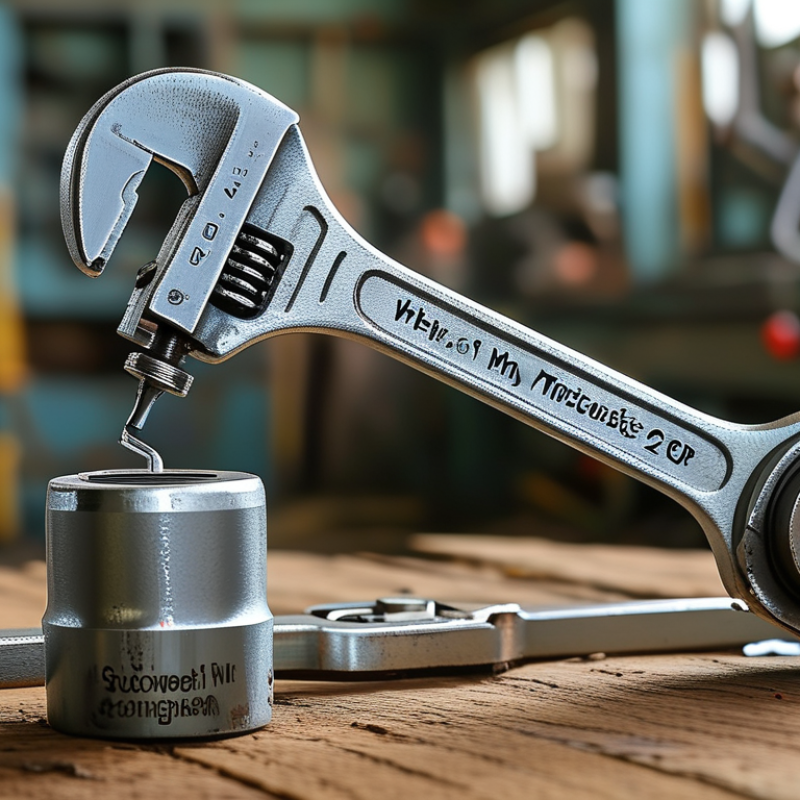
Why Is My Torque Wrench Clicking Early in 2026?

Understanding Torque Wrench Mechanisms and Calibration

Torque wrenches are essential tools for precision in mechanical work. Their mechanism relies on a spring that creates tension. This tension is what triggers the click sound, indicating the preset torque has been reached. However, if your torque wrench clicks early, it may not be calibrated correctly. Regular calibration ensures your tool maintains its accuracy.

To prevent premature clicking, always check the calibration of your torque wrench. This can be done using calibration equipment or by consulting a professional. A wrench that hasn't been calibrated may not deliver the required torque. Over time, tools can lose accuracy, especially with frequent use. Keeping track of your tool's condition saves time and effort in the long run.

Tip: Store your torque wrench properly. Avoid leaving it under tension, as this can affect its calibration.

Understanding the calibration process is crucial. Calibration involves adjusting the scale based on standards set by authorities. You might find discrepancies over time. Regular checks not only extend your tool's life but also enhance your work's reliability.

Tip: Use a torque wrench only within its specified range. This ensures better accuracy and reduces wear.

Common Causes of Premature Clicking in Torque Wrenches

Torque wrenches are vital for precise fastening tasks. When you notice your torque wrench clicking prematurely, it can be frustrating. This issue often stems from incorrect settings. If you set the torque too low, the wrench will click before reaching the desired tightness. It's essential to check the calibration regularly. A miscalibrated tool may lead to inaccurate measurements and potential damage.

Wear and tear can also cause early clicking. Over time, components within the wrench can degrade. Regular maintenance is crucial to ensure longevity and accuracy. Heavy usage without proper care might require more frequent inspections. Misuse, like dropping or excessive force, can also affect performance. Understanding how to maintain your tool is key to avoiding these pitfalls.

Another common cause is improper storage. Storing the wrench under tension can lead to internal stress. Always return the setting to the lowest torque after use. This practice helps preserve the internal mechanism. Being vigilant about storage and usage contributes to the wrench's reliability. Regularly revisit your techniques and storage habits for optimal results.

The Role of Torque Settings in Wrench Performance

In 2026, many users noted their torque wrenches clicking too early. Understanding torque settings is crucial for optimal performance. Proper torque ensures that fasteners are neither over-tightened nor under-tightened. Incorrect settings can lead to disastrous outcomes, including damaged components or unsafe conditions.

A common reason for premature clicking relates to improper calibration. Wrenches should be regularly calibrated to maintain accurate readings. Check your wrench against a reliable standard. If it’s off, the results can be frustrating. Sometimes, the clicks occur before the desired torque is reached. This often means the tool is set incorrectly.

Tips for keeping your wrench in top shape: Always adjust the torque setting to match your specific application. Avoid storing your wrench under tension; it can lose calibration over time. Keep the tool clean and free from dirt. Regular maintenance can save money in the long run and prevent damaging your projects. Proper torque settings and care can enhance your tool's lifespan and effectiveness.

Maintenance Tips to Prevent Early Clicking in Torque Wrenches

Torque wrenches are essential for ensuring proper fastening in mechanical work. An early clicking sound can indicate issues with calibration or usage. Proper maintenance can prevent this problem and maintain tool accuracy.

Regular calibration is crucial for torque wrenches. According to industry standards, a torque wrench should be calibrated every 3-6 months, depending on usage frequency. Dust and debris can affect the internal mechanisms. Always store your tools in a clean, dry place to minimize wear.

Tip: Clean your torque wrench regularly. Use a soft cloth to wipe down the handle and ratchet head. This simple step helps prolong its lifespan. Checking the tool for wear and tear can prevent sudden failures.

Another consideration is torque application. Over-tightening can cause premature clicking. It's crucial to apply gradual force until the desired torque is reached. According to a recent technical report, improper usage accounts for nearly 30% of torque wrench failures in professional settings.

Tip: Always follow the manufacturer's instructions for torque settings. If you find yourself getting repetitive early clicks, it may be time for professional inspection. Remember, a well-maintained torque wrench ensures precision and reliability in your work.

Why Is My Torque Wrench Clicking Early in 2026? - Maintenance Tips to Prevent Early Clicking in Torque Wrenches

Issue Cause Maintenance Tip Frequency of Check
Early Clicking Incorrect Calibrations Calibrate regularly with manufacturer specifications. Every 6 months
Inconsistent Torque Worn Internal Mechanism Inspect and replace worn parts as necessary. Annually
Clicking Noise Over-torquing Use the wrench within its specified torque range. Before each use
Erratic Function Dirt and Debris Clean the wrench after every use and store it properly. After each use
Physical Damage Dropping or Impact Inspect for damage and replace if necessary. Every use

When to Seek Professional Help for Torque Wrench Issues

When your torque wrench clicks earlier than expected, it can be concerning. Early clicking often indicates a calibration issue or worn components. Recognizing when to seek professional help is essential to maintain accuracy and safety.

If you notice irregularities with your wrench, consider these tips. Always check the manual for calibration instructions. Simple maintenance can prevent issues. Inspect the wrench for visible damage or excessive wear. A worn socket can distort readings, causing frustration.

Inconsistent clicking sounds might signal a need for professional evaluation. If you aren’t sure about the problem, it's worthwhile to consult a technician. This ensures your tool remains reliable for future projects. Remember, a small investment in professional help can save you from costly mistakes later.

FAQS

: What causes premature clicking in torque wrenches?

: Premature clicking typically arises from incorrect settings. Low torque settings lead to early clicks before desired tightness.

How can calibration affect wrench performance?

Miscalibration may result in inaccurate measurements. Regular checks against reliable standards are essential for optimal function.

Why is regular maintenance important for a torque wrench?

Wear and tear can degrade components. Routine upkeep ensures longevity and accurate performance of the wrench.

What storage practices help prevent wrench issues?

Never store the wrench under tension. Always reset to the lowest torque after use to maintain its mechanism.

How does misuse lead to premature clicking?

Dropping the tool or using excessive force can cause performance issues. Proper handling is key to avoiding damage.

What should be adjusted to ensure proper torque?

Always match the torque setting to your specific application. Misalignment in settings leads to undesirable outcomes.

How can cleanliness affect wrench accuracy?

A dirty wrench can lead to inaccuracies. Keeping it clean enhances performance and contributes to its lifespan.

Is there a long-term consequence of ignoring maintenance?

Neglecting maintenance can result in costly repairs. Regular checks can prevent future problems and save money in the long run.

How can users identify if their torque wrench is miscalibrated?

If clicks happen before reaching the desired torque, calibration may be off. Regular checks are crucial for certainty.

What can users do to enhance the wrench's reliability?

Regularly revisit storage and usage techniques. Stay vigilant about handling and maintenance for optimal performance.

Conclusion

In the article "Why Is My Torque Wrench Clicking Early in 2026?", we explore the intricacies of torque wrench mechanisms and calibration processes that ensure precision in tool performance. A key focus is on identifying common causes behind premature clicking, which can stem from factors such as improper calibration, incorrect torque settings, or mechanical wear. Understanding the significance of accurate torque settings is essential, as they directly impact the effectiveness of the wrench.

Additionally, the article emphasizes proactive maintenance tips to help prevent early clicking incidents, such as regular inspections and proper storage. Finally, it highlights when it might be necessary to seek professional assistance to address persistent torque wrench issues. By addressing the question, "why is my torque wrench clicking early," users can better troubleshoot and maintain their tools for optimal performance.

Ethan

Ethan

Ethan is a seasoned marketing professional with a deep expertise in our company's innovative product line. With a passion for sharing knowledge and insights, he takes the lead in regularly updating our corporate blog, where he explores industry trends, product features, and effective marketing......