 Choppa Tools
Choppa Tools
Choppa Tools
Maintaining air impact wrenches is crucial for their longevity and efficiency. According to a report by the National Institute of Standards and Technology, proper maintenance can extend tool lifespan by up to 50%. Industry expert John Smith emphasizes, "Regular care is vital to ensure optimal performance and avoid costly repairs." Understanding how to maintain air impact wrenches can significantly reduce operational downtime.
Air impact wrenches are widely used in automotive and industrial applications. With the right practices, users can enhance their functionality. However, many overlook basic maintenance steps. Neglect can lead to tools failing when they are needed most. Regular inspections and lubrication are essential to keep these powerful tools operating smoothly.
Incorporating best practices when maintaining air impact wrenches is not only efficient but necessary. The potential for increased efficiency juxtaposed with risks of negligence creates a critical learning curve for many users. Taking the time to understand how to maintain air impact wrenches ensures their reliability in demanding environments.
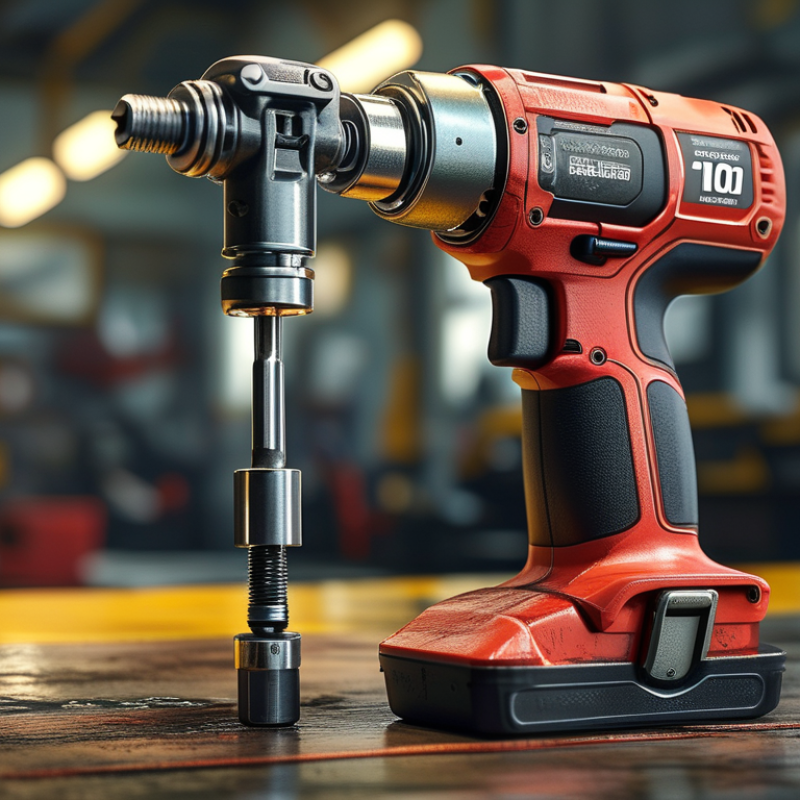
Regular maintenance of air impact wrenches is crucial for extending their lifespan. These powerful tools endure significant wear and tear during operation. Dirt, debris, and moisture can accumulate. Neglecting maintenance leads to reduced performance and shorter tool life.
Oil your air impact wrench regularly. This helps lubricate moving parts and prevent premature wear. Check the air filter often. A clogged filter can cause the tool to malfunction. Additionally, inspect the drive socket and other components for wear. Small issues, if left unaddressed, can escalate into major repairs.
Over time, even the most durable tools can fail if not cared for. Listen for unusual sounds during operation. These could indicate underlying problems. Avoid pushing the tool beyond its limits. Proper usage and care significantly influence its efficiency and reliability. Establish a routine maintenance schedule. It will help keep your air impact wrench in peak condition.
| Tip | Description | Frequency | Benefits |
|---|---|---|---|
| Regular Lubrication | Apply lubricant to the necessary parts to reduce friction. | Every 40 hours of use | Prolongs tool life |
| Check Air Pressure | Ensure air pressure is within recommended range. | Daily | Improves performance |
| Inspect Hose and Fittings | Look for wear and tear on hoses and fittings. | Weekly | Prevents air leaks |
| Clean Air Filter | Remove and clean the air filter to ensure proper airflow. | Monthly | Enhances efficiency |
| Store Properly | Store in a dry place, away from moisture and extreme temperatures. | Always | Prevents rust and damage |
| Check for Nail or Debris | Ensure no debris is lodged in the impact wrench. | Before use | Promotes safety |
| Replace Worn Parts | Replace any worn or damaged components immediately. | As needed | Maintains functionality |
| Avoid Over-tightening | Do not over-tighten fasteners to prevent tool strain. | During use | Reduces wear |
| Use Recommended Accessories | Use tools and accessories that meet specifications. | Always | Ensures optimal performance |
| Follow Manufacturer Instructions | Adhere to the manual for maintenance and usage guidelines. | Always | Safeguards against misuse |
: Inspect the motor regularly, especially if you hear unusual sounds or it fails to start.
A clogged air filter restricts airflow, causing overheating and reducing tool efficiency.
Clean or replace the air filter every few months for up to a 15% increase in efficiency.
Check for signs of wear, looseness, or scoring that may require repair or replacement.
Proper lubrication keeps internal parts from wearing out quickly, extending tool lifespan.
Over-lubrication can attract dust and debris, causing other performance issues to arise.
Store it in a dry, clean area, and avoid stacking heavy tools on top of it.
Always wear gloves and goggles to minimize the risk of accidents during handling.
Yes, wiping down tools prevents grime buildup and maintains performance.
Maintain a log to remind you of necessary checks and upkeep, even if it feels tedious.
Maintaining air impact wrenches is crucial for ensuring their longevity and optimal performance. Regular maintenance involves inspecting key components such as the motor, bearings, and housing for wear and tear. By understanding how to maintain air impact wrenches, users can select appropriate lubricants that will minimize friction and prolong the tool's life. Additionally, avoiding common maintenance mistakes, such as neglecting to clean and lubricate regularly, can further enhance tool durability.
To maximize the effectiveness of air impact wrenches, it is essential to follow best practices for storage and handling. Storing tools in a clean, dry environment and handling them with care helps prevent damage and maintains functionality. By adhering to these maintenance tips, users can ensure their air impact wrenches operate efficiently and serve them well over time.
